Before I get into the central theme of this article, I'll tell you a curious fact: art and the study of smart cities happened simultaneously and in parallel in my life about four years ago. At the same time as I was resuming my studies at the School of Visual Arts at Parque Lage, I was curating the Cities Of Tomorrow stage, which is actually a relalization of Assespro-RJ, the oldest and largest association of technology and innovation entrepreneurs in Brazil, which has been taking place as part of Rio Innovation Week - RIW since its first edition in 2022, at the Jockey Club in Rio de Janeiro, where I live.
Of course, one day these themes were going to merge in my mind... and ever since that happened, about 3 years ago, I've been researching the intersections between the arts and smart cities and it's surprising how much art, in ALL its forms, is present and relevant to the relationship, connection and communication between the city and its population. And that's what the article you're about to read is about... a summary of what's going on.
Building smart cities goes far beyond technology, connectivity and digital infrastructure. Increasingly, experts and urban managers understand that art plays a fundamental role in transforming urban spaces, making them more human, inclusive and inspiring. It is in this context that art in smart cities emerges as an essential element in balancing innovation, culture and quality of life.
Why is art indispensable in smart cities?
Smart cities are designed to solve urban challenges through technology, but they can't be limited to data, sensors and automation. Art acts as a link between technological innovation and people's daily lives.
- Humanizing urban space: artistic works, cultural interventions and public panels bring citizens closer to their city, awakening a sense of belonging.
- Inclusion and diversity: art becomes a channel for dialog that represents multiple voices, strengthening the social fabric.
- Civic engagement: when associated with open data and technology, art stimulates new forms of interaction and participation by the population.
- Tourism and the creative economy: as well as beautifying and enhancing spaces, artistic projects attract visitors and boost local production chains.
Experiences around the world
Several cities already understand the importance of art as a vector of urban intelligence:
- Barcelona invests in murals and artistic interventions that engage with technology and sustainability.
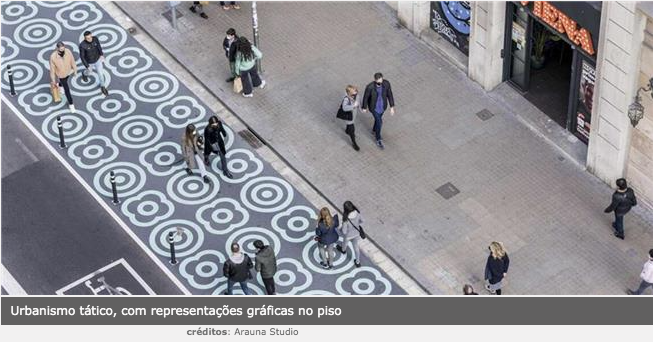
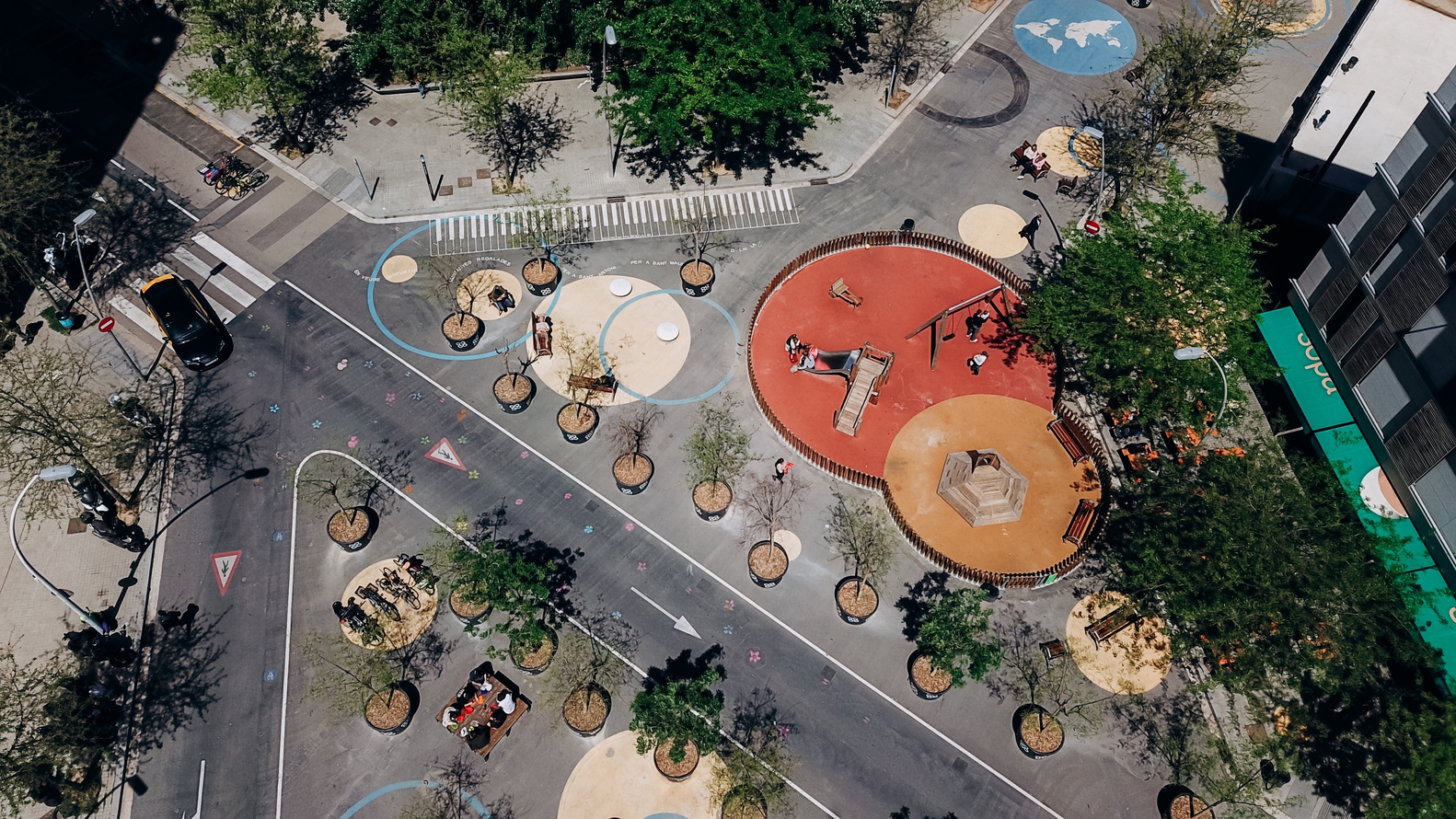
Barcelona, in Catalonia (Spain), has implemented innovative "tactical urbanism" projects for its streets, using art and graphic design to transform the public space in favor of pedestrian mobility. The projects seek to "humanize" the asphalt by stamping a series of graphic designs - in different colors, scales and figures - on it and on street furniture, as codes that refer to the traditional stones that pave Catalan sidewalks (image 1). As far as the Barcelona council authorities are concerned, this aesthetic intervention - in addition to a conscious and playful appropriation of public space by the population - motivates walking, reducing the levels of noise and air pollution that compromise life in cities dominated by cars.
- Amsterdam combines urban data with interactive installations that change according to mobility and climate indicators.
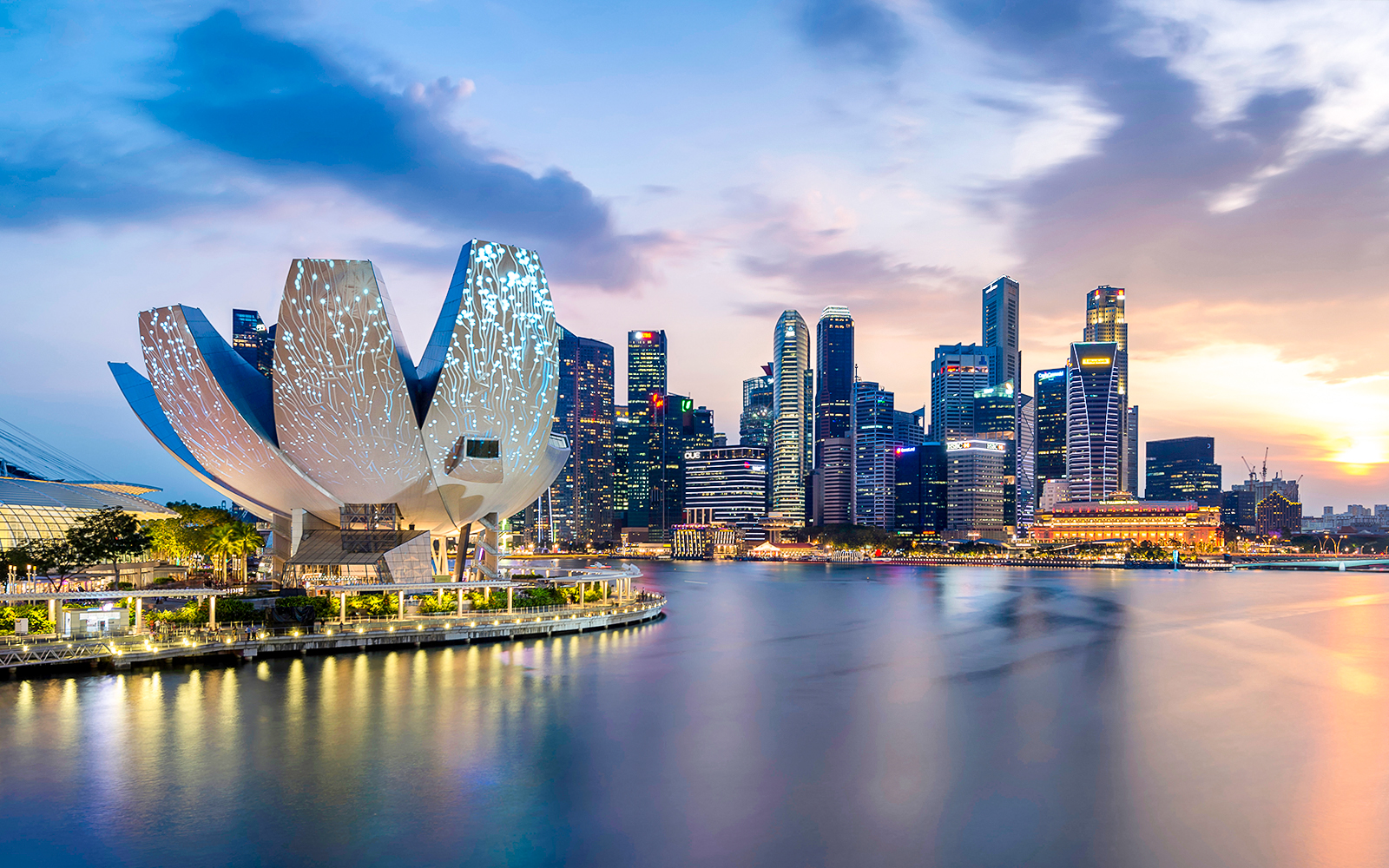
- Singapore has created the ArtScience Museum project, uniting digital innovation, science and art in a central cultural space.
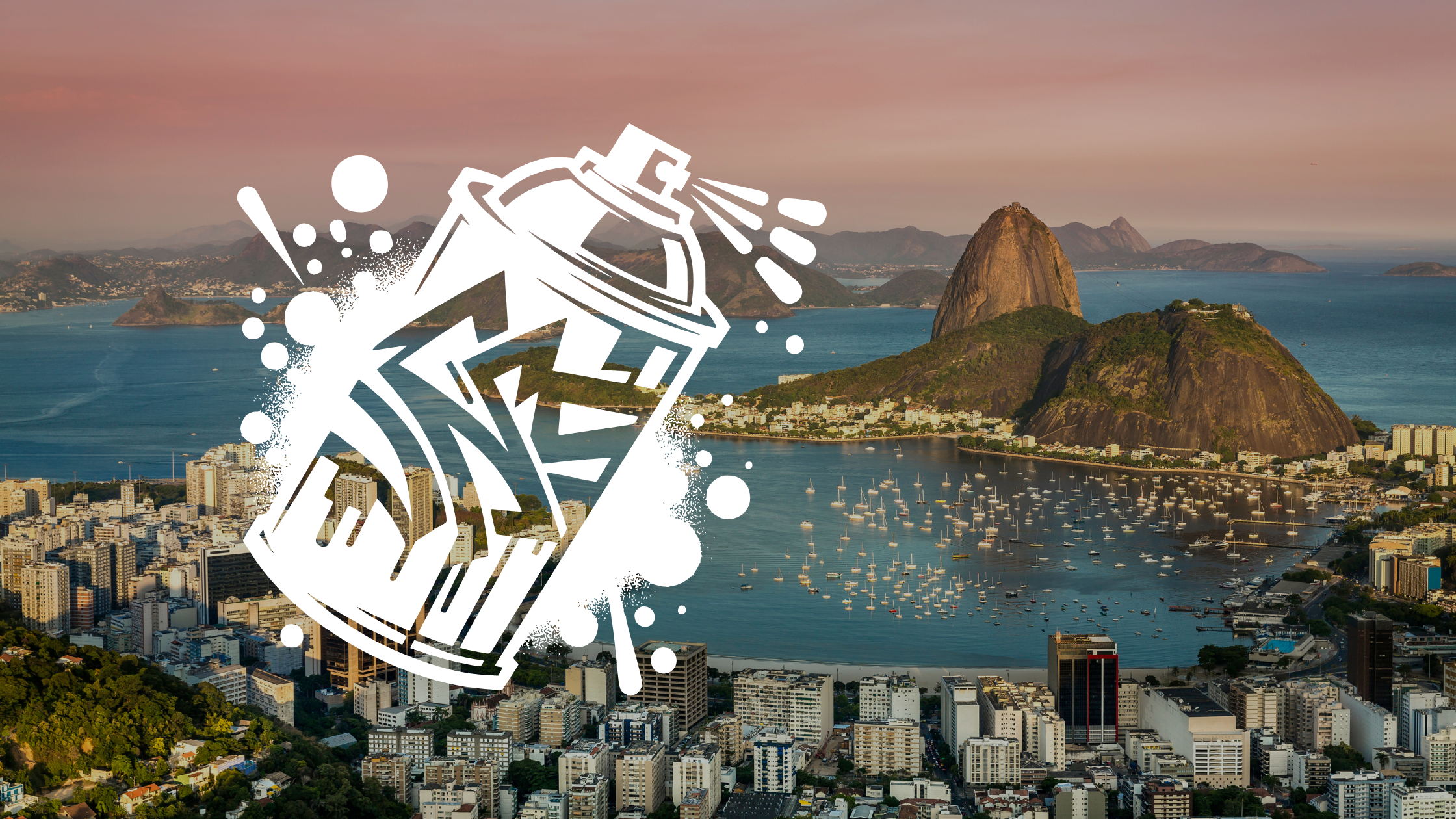
- Rio de Janeiro offers open-air museums such as the Museu de Arte Urbana do Porto - MAUP, on the Olympic Boulevard, and Rua Walls, a tactical urbanism project that stretches from the Rio Star Ferris wheel to the Novo Rio bus station and features murals signed by renowned artists from the Brazilian contemporary scene.
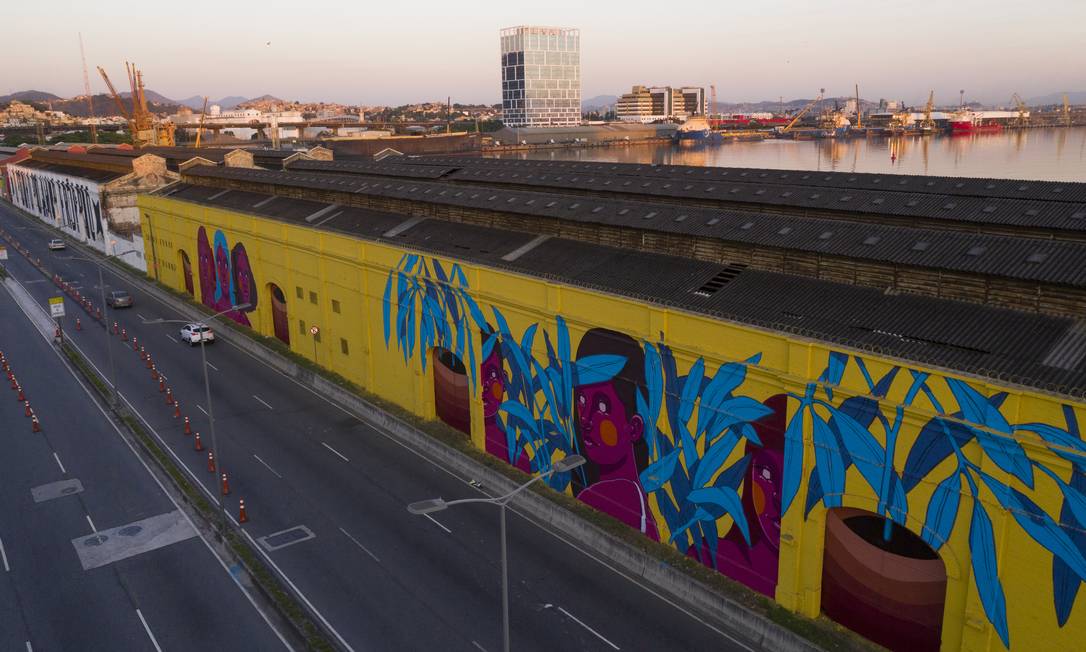
It's true that both MAUP and WALLS need attention from the city council and maintenance if they are to remain vibrant, but they were important initiatives that have been expanding. Recently, there was an artistic intervention on the BRT. Given these actions and others that are not presented here, we can say that Rio has also been consolidating itself as a living laboratory for bringing more art to the city.
These examples show that art is gaining more and more prominence and importance in building smarter cities and is part of a global ecosystem that involves innovation, culture and citizenship.
My role as expert and curator at Rio Innovation Week
I opened this article by telling you my story and, as I've already said, I've been actively researching and contributing to fostering the intersection between art, technology and urbanism for about three years. In addition to my practice as a visual artist for over 5 years, I have worked in the communications and technology sectors for 18 years, which led me to curate the Cities Of Tomorrow stage at Rio Innovation Week, which this year (20025) held its 5th edition from August 12 to 16 at Pier Mauá.
At RIW we have a rich space for debate, where national and international leaders can reflect on the future of cities. In 2025, in addition to curating themes for 9 panels where I brought together more than 30 experts and relevant personalities, I took part in 2 panels: "The Role of Art in Smart Cities", in which I had the pleasure of sharing the stage with Bernardo Magina, a professor at Parque Lage, visual artist and muralist.
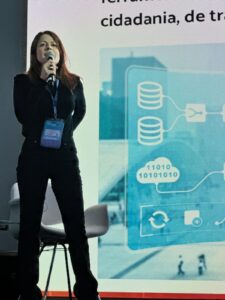
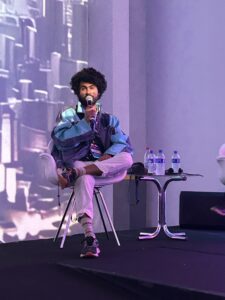
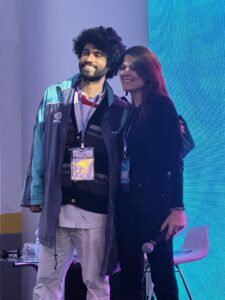
I also took part in the panel: "digital governance and open data", together with Willington Feitosa - coordinator of Smart Cities at Rio de Janeiro City Hall, Robert Jansssen, president of Assespro-RJ and CEO of the Obr Global accelerator, and Márcio Lacs, CEO of AMT Cloud.
They may seem like very different subjects, but believe me, if we put the two together we can open up incredible paths!
My main message this year was: "When we think of smart cities, it's common to imagine sensors, data and cutting-edge technology. But a truly smart city also needs a soul. Art plays a fundamental role in this process: it connects people, reframes urban spaces and creates cultural identity. By integrating art and innovation, we promote well-being, belonging and creativity - elements that are just as essential as technological infrastructure for building living, human and sustainable cities."
Paths to the future
The future of cities lies in understanding that data and algorithms need to meet poetry and imagination. Art broadens horizons and generates a sense of community, transforming environments into experiences.
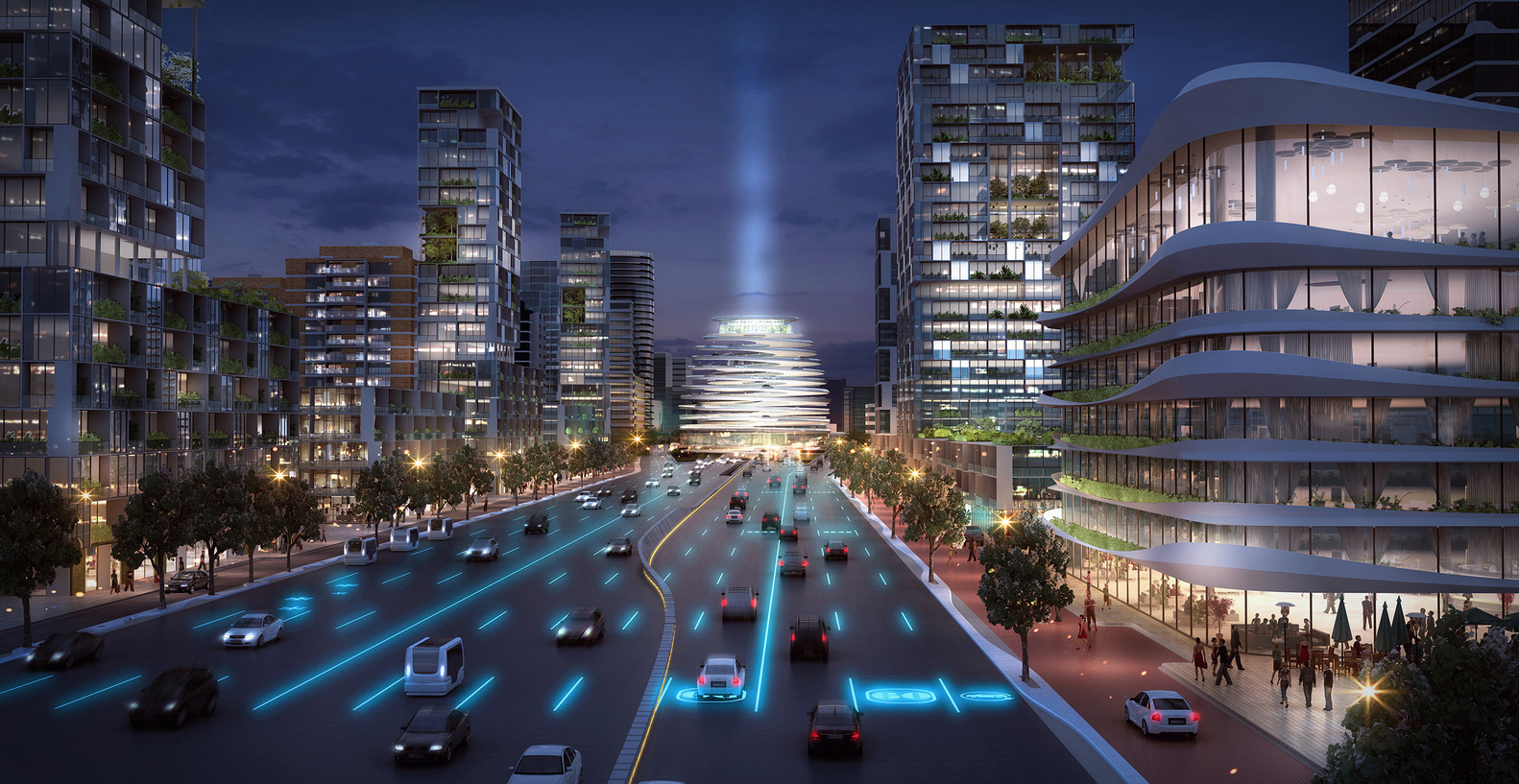
Projects that combine sensors, augmented reality, LED panels, artificial intelligence and artistic interventions are already shaping the present of metropolises. The challenge is for governments, companies and artists to work together to ensure that technology and culture are allies in creating smarter, but above all more human, spaces.
Art in smart cities is an invitation to look to the future without losing what makes us unique: our sensitivity, creativity and ability to connect.
As an artist and expert on this subject, I believe that the city of tomorrow will only be truly intelligent when it is also artistic, inclusive and more pulsating! ; )